

The colonial legacy in Malaysia showcases a rich tapestry of historical narratives that reflect transformative economic changes alongside deep-rooted inequalities. The arrival of colonial powers reshaped local economies, introduced educational reforms, and sparked resistance movements that forged a unified national identity. However, the interplay of exploitation and cultural exchange complicates this legacy. Understanding these dynamics is essential for grasping contemporary societal issues and identities, offering insights into the ongoing impact of colonialism. More layers of this story await exploration.
The Historical Context of Colonialism in Malaysia
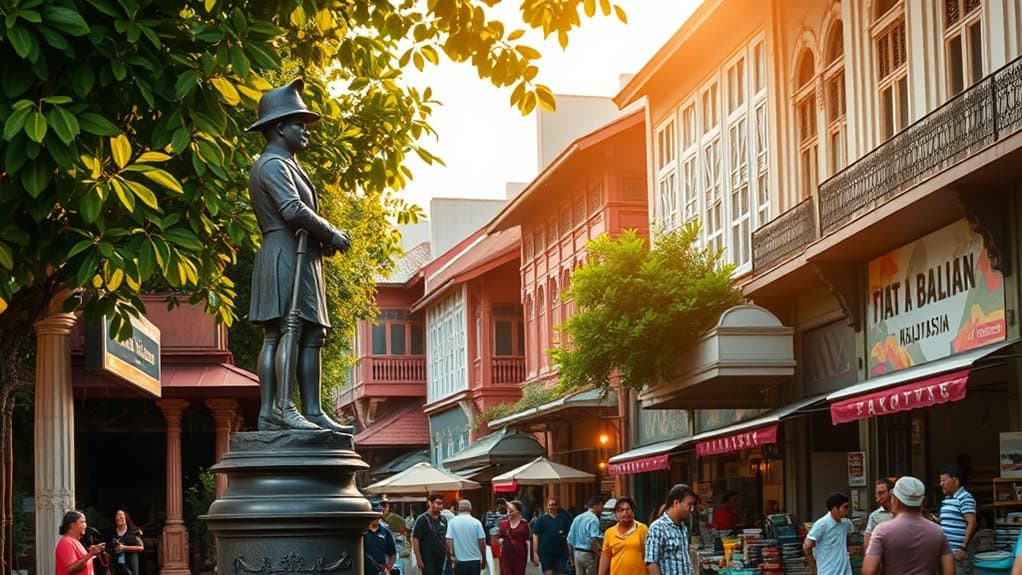
Although colonialism is often viewed through the lens of political domination, its historical context in Malaysia reveals a complex tapestry of economic exploitation and cultural transformation. The colonial history of Malaysia is marked by the arrival of European powers, particularly the Portuguese, Dutch, and British, each leaving distinct imprints. These powers sought control over trade routes and resources, fundamentally altering local economies and societies. The introduction of cash crops and mining industries disrupted traditional practices, fostering a dependency on colonial markets. Additionally, the varied interactions among indigenous populations, colonizers, and migrant communities reshaped cultural identities. This multifaceted legacy continues to influence Malaysia’s social fabric and economic landscape, highlighting the need for a nuanced understanding of its colonial past and enduring effects.
Economic Transformations and Their Legacy

Transformation defines the economic landscape of Malaysia, shaped profoundly by its colonial past. The colonial era established a framework of resource extraction, primarily focused on tin and rubber, which bolstered the economy but also entrenched inequality. This exploitation laid the groundwork for modern economic structures, influencing land ownership patterns and labor dynamics. Post-independence, Malaysia initiated diversification strategies, moving to manufacturing and services, yet the echoes of colonial exploitation remain evident. The legacy of foreign investment and globalization continues to affect local industries, creating both opportunities and challenges. Understanding these economic transformations requires an interdisciplinary lens, incorporating history, economics, and sociology to fully grasp their impact on contemporary Malaysian society and its ongoing struggle for equitable growth.
Educational Reforms and Cultural Exchanges
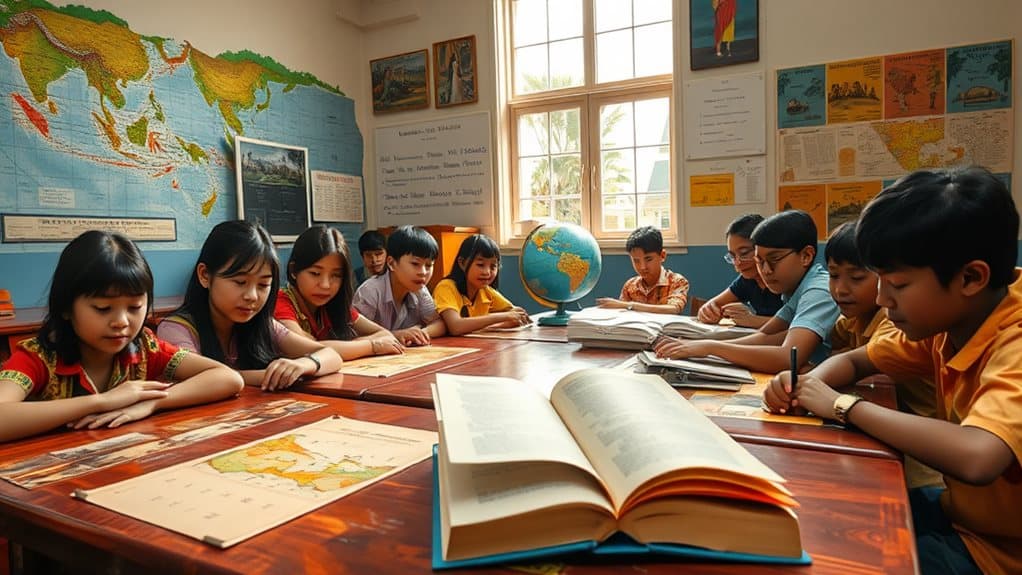
The ramifications of colonial rule in Malaysia extended beyond economic structures, profoundly influencing the educational landscape and cultural exchanges. Colonial administrations introduced formal education systems, often prioritizing Western curricula that marginalized indigenous knowledge and languages. This shift not only altered societal structures but also fostered a complex interplay of cultures. As Western education spread, it paved the way for cultural exchanges, facilitating the introduction of diverse ideas and philosophies. However, these exchanges often came with a sense of cultural hegemony, leading to tensions between traditional values and colonial ideologies. The resulting educational reforms, while enhancing literacy and access to knowledge, also laid the groundwork for future dialogues about identity, heritage, and the critical examination of cultural narratives in post-colonial Malaysia.
Resistance Movements and National Identity
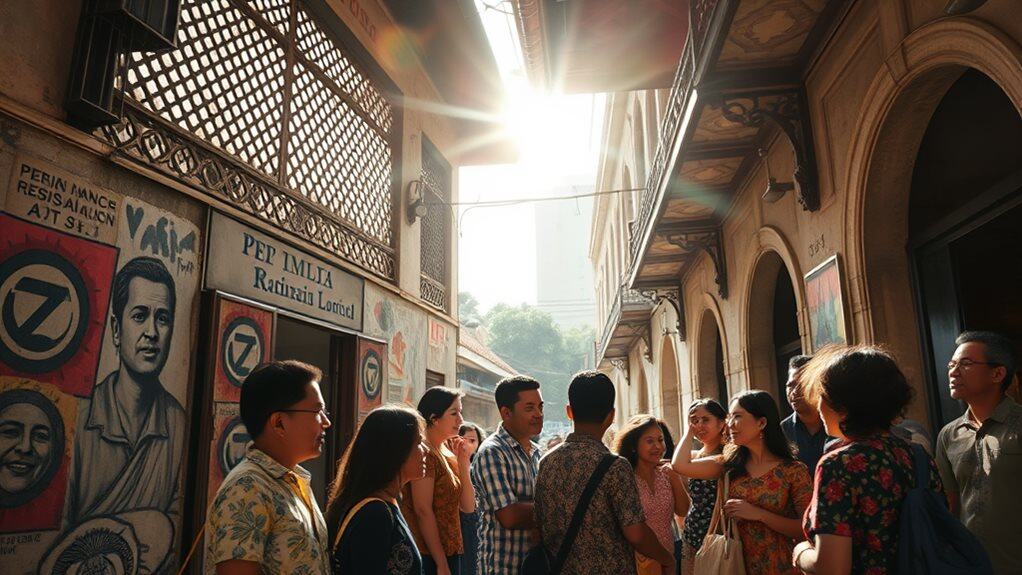
As colonial forces tightened their grip on Malaysia, various resistance movements began to emerge, reflecting a burgeoning national identity rooted in the struggle against oppression. These movements, ranging from the rural uprisings led by local leaders to organized political activism, illustrated a collective yearning for autonomy and cultural preservation. The Malayan Emergency, for instance, saw the formation of the Malayan Communist Party, which galvanized diverse ethnic groups under a shared cause. Simultaneously, the anti-colonial sentiment fostered a sense of unity among Malaysians, transcending ethnic divides. This period highlighted how resistance not only challenged colonial authority but also solidified a national identity, intertwining historical narratives with the aspirations of a people determined to reclaim their sovereignty and cultural integrity.
The Role of Historical Memory in Contemporary Society
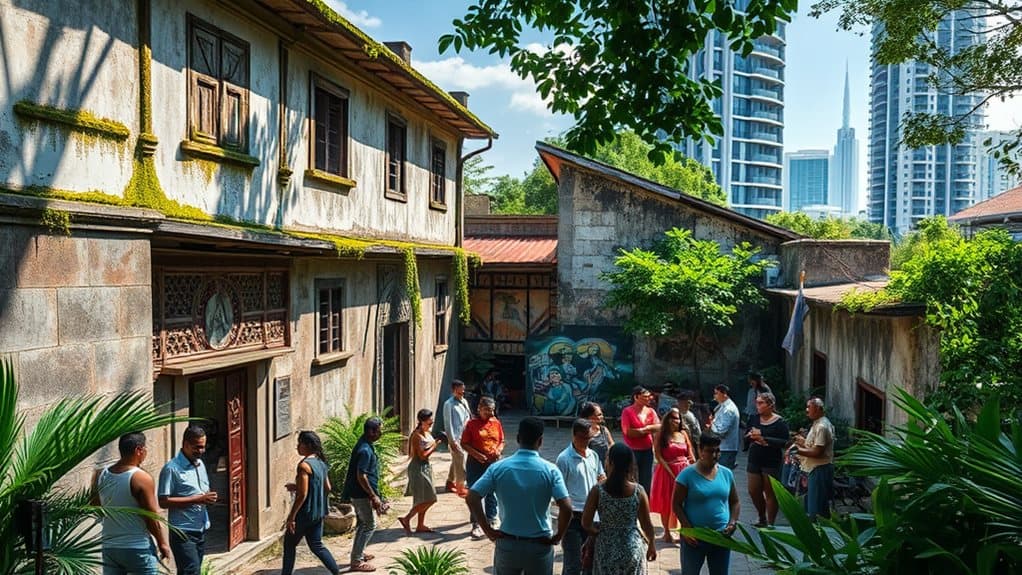
Emerging from the struggles against colonial rule, the historical memory of resistance movements has substantially shaped contemporary Malaysian society. This collective memory influences national identity, informing social cohesion and fostering pride in a shared past. Educational curricula often emphasize these narratives, instilling values of resilience and independence in younger generations. Additionally, commemorative events and monuments serve as tangible reminders of the sacrifices made, reinforcing a sense of belonging. Intersections of history with art and literature further explore these themes, allowing for a nuanced understanding of Malaysia’s diverse heritage. Consequently, historical memory acts as both a guiding force and a source of reflection, helping citizens navigate their present while honoring their past.
Balancing Perspectives: Positive and Negative Impacts of Colonialism
The colonial era in Malaysia presents a complex tapestry of influences, intertwining economic development with exploitation. While infrastructure growth facilitated trade and transportation, it often displaced local communities and suppressed indigenous cultures. This duality prompts a critical examination of how colonial legacies continue to shape Malaysia’s contemporary identity and socio-economic landscape.
Economic Development and Exploitation
While colonialism often conjures images of exploitation and oppression, its impact on Malaysia’s economic development presents a complex narrative that warrants careful examination. The introduction of cash crops, such as rubber and palm oil, transformed the agricultural landscape, integrating Malaysia into global markets. However, this economic growth was accompanied by significant social costs, including labor exploitation and environmental degradation. Colonial powers prioritized resource extraction over sustainable development, often marginalizing local communities. The infrastructural advancements, such as railways and ports, facilitated trade but primarily served colonial interests. Consequently, while colonialism catalyzed certain economic developments, it also entrenched inequalities and dependencies that continue to resonate in contemporary Malaysia. This duality highlights the necessity of a nuanced understanding of colonial legacies in shaping modern economies.
Cultural Exchange and Suppression
Colonialism in Malaysia fostered a complex interplay of cultural exchange and suppression, shaping the nation’s identity in profound ways. On one hand, colonial rule introduced various cultural elements that enriched local traditions, while on the other, it marginalized indigenous practices. This duality can be understood through the following points:
- The introduction of Western education created new avenues for knowledge, albeit often at the expense of traditional learning.
- Colonial policies facilitated the migration of diverse ethnic groups, leading to a rich tapestry of cultural interactions.
- However, local customs and languages faced degradation, as colonial powers prioritized their own cultural narratives.
Ultimately, this legacy continues to influence contemporary Malaysian society, making the exploration of these dynamics essential for understanding its historical context.
Infrastructure Growth and Displacement
As Malaysia underwent colonial rule, the development of infrastructure became a double-edged sword, offering both advancements and significant challenges for local communities. The colonial powers introduced railways, roads, and ports that facilitated trade and economic growth, integrating Malaysia into global markets. However, this progress often came at a steep cost, displacing indigenous populations and disrupting traditional livelihoods. Communities were uprooted to make way for plantations and urban expansion, leading to social fragmentation and cultural loss. In addition, the prioritization of colonial interests over local needs resulted in unequal access to these infrastructures. Consequently, while colonial infrastructure contributed to modernization, it also deepened socio-economic divides, highlighting the complex legacy of colonialism in shaping contemporary Malaysia’s landscape and societal dynamics.
About The Author
